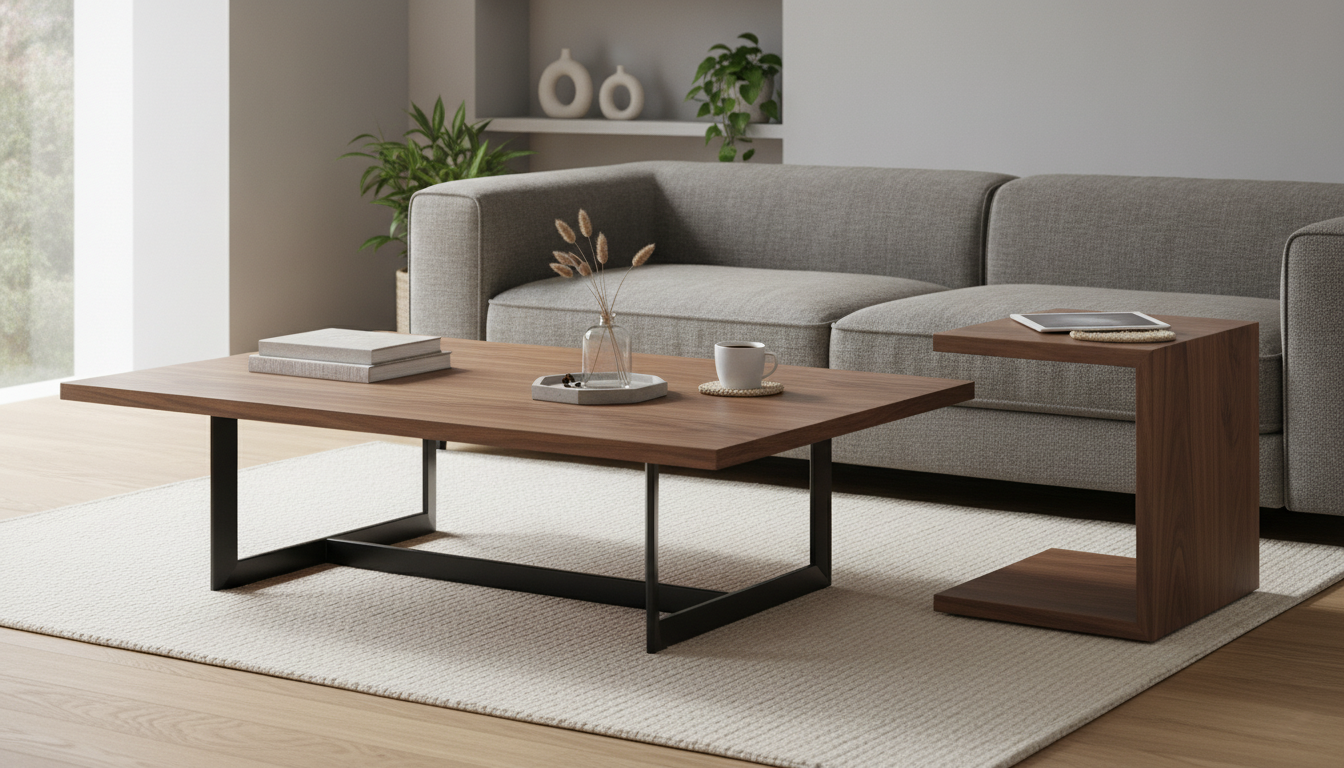
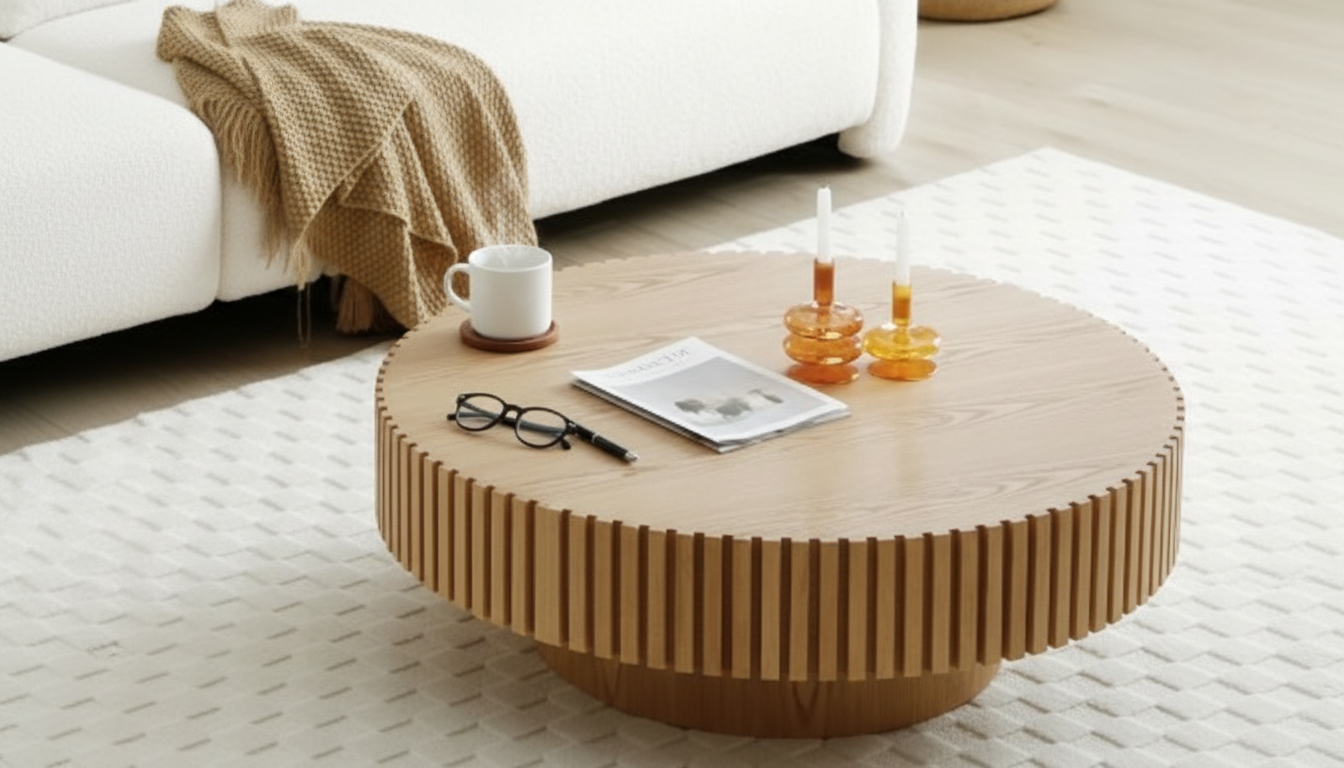
A walnut coffee or side table can anchor a room with warm grain, clean geometry, and a refined finish that works across modern, transitional, and minimalist spaces. The appeal is immediate: walnut brings depth without feeling heavy, and it softens rooms filled with glass, tile, and metal. Below is a practical guide to choosing the right materials and construction, dialing in size and placement, styling for a polished look, and caring for walnut so it keeps its rich tone over time.
Walnut reads “premium” because it does a lot with very little. Its natural color range—often shifting from chocolate to caramel—adds visual layering without needing ornate carving or busy details. That grain variation becomes the pattern, which is why walnut pairs so naturally with modern silhouettes, slim profiles, and clean lines.
Another reason walnut feels upscale is how it takes a finish: a well-finished surface reflects light softly and highlights chatoyance, the subtle shimmer you notice when you walk past the piece. In modern rooms, walnut also plays well with blackened metal, brushed brass, matte white, and stone or marble accents—an easy way to make a coffee table or side table look intentional rather than “matched.” In open-plan layouts, walnut can visually warm hard surfaces like concrete, glass, and polished tile, helping the room feel more livable.
Small design choices make a big difference in how a table functions day to day—and how expensive it looks from across the room.
Proportion is what makes a room feel “designed.” A coffee table that’s too tall can feel intrusive; one that’s too small can look like an afterthought.
Longevity comes down to stability, engineering, and finish performance—not just whether a piece is solid wood. Solid walnut is excellent, but quality walnut veneer over a stable core can also perform beautifully, especially for maintaining a flat top that resists seasonal movement.
For general information on wood behavior and properties, the U.S. Forest Service Wood Handbook is a useful reference. For walnut-specific background, the American Hardwood Export Council also provides helpful species guidance.
Walnut’s warmth makes styling easier, but a few guardrails keep it looking modern instead of heavy.
If responsible sourcing matters, look for makers aligned with credible forestry standards such as the Forest Stewardship Council (FSC).
| Product | Best For | Style Notes | Price |
|---|---|---|---|
| Luxury Modern Walnut Coffee & Side Table | Modern living rooms, upscale apartments, statement placement | Warm walnut look with clean, contemporary presence | $1011.99 USD |
| Rustic Natural Wood Coffee Table | Casual spaces, farmhouse or organic-modern mixes | More texture and natural character | $436.47 USD |
| Elegant 3-Drawer Side Table | Bedside use, storage needs, compact corners | Adds drawers for organization | $237.67 USD |
Yes—walnut is a durable hardwood, and with a protective finish plus coasters and felt pads, it holds up well to daily use.
Walnut is typically darker and reads more formal or modern; maintenance is similar (gentle cleaning and avoiding standing water), but walnut can show dust and light scratches more due to its darker tone.
Use coasters and wipe condensation quickly. Felt-backed trays help, and keeping the surface clean reduces residue that can trap moisture against the finish.








Leave a comment